

Electron beam welding and laser welding are the two precision processes best suited to the high-integrity power generation, cooling, and electronic components required by AI-driven data centers. As data center power demand accelerates, welding has shifted from a routine fabrication step to a critical enabler of uptime, thermal performance, and system reliability for turbines, heat exchangers, battery storage, and sealed electronics.
At EB Industries, we have spent more than six decades welding precision components for aerospace, defense, medical, and energy manufacturers. The AI infrastructure build-out is an extension of that same work: higher stakes, more demanding tolerances, and compressed timelines, against the same fundamental requirement to deliver weld integrity that components can be qualified against.
The Power Challenge Behind AI Data Centers
AI workloads are pushing the power envelope in ways that older data center designs were not engineered for. Training and inference at scale demand higher rack densities, more capable cooling, and on-site or locally sourced generation.
For the component manufacturers supplying the turbines, heat exchangers, batteries, and sealed electronic packages that make this possible, this translates into four requirements:
- High energy density. More generation capacity per square foot, which drives higher-strength components and tighter tolerances.
- Thermal management. Liquid cooling and advanced heat exchanger designs to dissipate the heat from high-density compute.
- Continuous uptime. Zero tolerance for component failure, because a failure in a turbine blade or BESS seal can idle an entire facility.
- Compact, high-performance designs. More power in less footprint, which forces designers toward advanced alloys and non-traditional joints.
Each of these requirements concentrates risk into the welded joints that hold the component together. Choose the wrong process, accept too much variability, or lose weld purity, and the component is out of spec before it ships.
Where Welding Fits in Power Generation Systems
Welding touches nearly every major subsystem that supports AI data center power:
- Gas and steam turbine components (blades, housings, rotors, pressure vessels) for on-site and utility-scale generation
- Heat exchangers and cooling plates for liquid cooling loops and thermal regulation
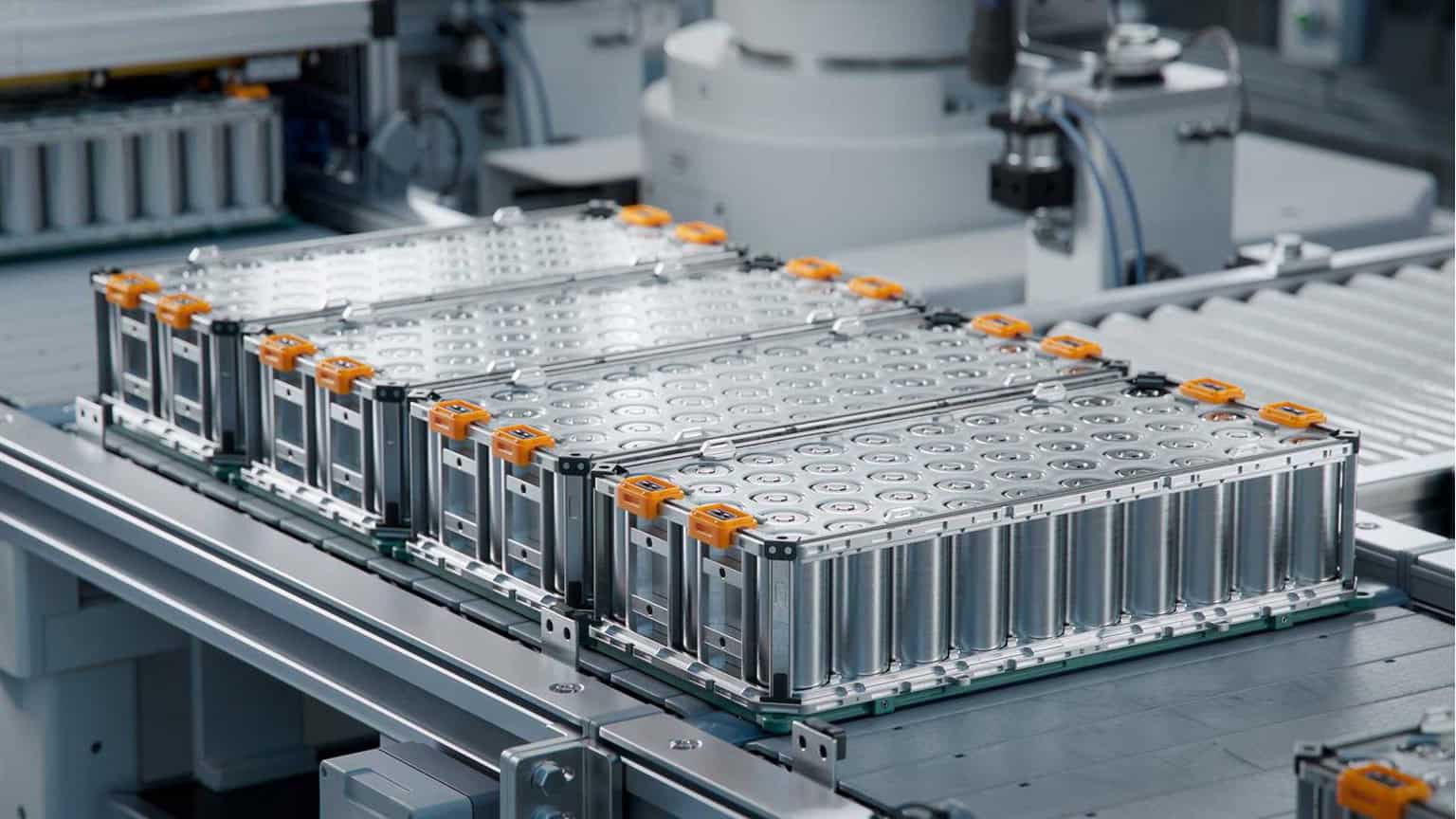
- Battery and energy storage system (BESS) components for backup and peak-load management
- Sealed electronic assemblies for power control, monitoring, and sensing
- Emerging hydrogen and alternative energy systems that are beginning to feed next-generation data center designs
These components share three characteristics that traditional welding processes struggle with: high-performance alloys such as Inconel, titanium, and copper; tight tolerances measured in thousandths of an inch; and frequent dissimilar material joints. Precision welding is where electron beam and laser processes earn their place.
Electron Beam Welding for High-Integrity Power Components
Electron beam welding is the process of choice when a power generation component has to survive high temperatures, high pressures, rotational stress, or contamination-sensitive service conditions.
Key advantages for power applications
Deep penetration for thick sections. Electron beam welding achieves weld depths up to 2 inches in a single pass, which makes it well suited to turbine components, pressure vessels, and other thick-section energy equipment that laser and arc processes struggle to penetrate cleanly.
Vacuum environment for maximum purity. The process takes place under high vacuum, which eliminates oxidation, nitriding, and other contamination. This matters most for the high-temperature alloys used throughout power generation, where a single contaminated weld can compromise a component’s service life.
Minimal distortion, high strength. Electron beam welds retain up to 95% of the base material’s strength, and the narrow heat-affected zone produces minimal distortion. For rotating equipment such as turbines, this is the difference between a production-qualified part and scrap.
Dissimilar metal capability. Electron beam welding can join dissimilar metals that would be difficult or impossible to weld with other processes, including copper to stainless steel for thermal management assemblies and stainless steel to Inconel for turbine and hydrogen infrastructure components.
Real-world power applications at EB Industries
Within power generation and data center infrastructure, specifically, our electron beam welding work commonly supports:
- Gas and steam turbine assemblies
- Heat exchangers for liquid cooling loops
- Pressure vessels and structural energy components
Laser Welding for Cooling, Electronics, and Battery Systems
Laser welding complements electron beam welding when the application calls for precision, speed, thin-material capability, or heat-sensitive joints.
Key advantages of data center infrastructure
Precision for thin and complex components. Laser welding is ideal for cooling plates, sensors, foils, and the complex geometries common in BESS enclosures and liquid cooling assemblies.
Low heat input protects sensitive systems. The narrow laser beam deposits minimal heat into the surrounding material, which protects nearby electronics, embedded sensors, and pre-assembled control systems.
High-speed production. Laser welding can achieve weld speeds up to 200 inches per minute on thin-section materials. That speed matters when data center OEMs are scaling against tight build-out timelines.
Hermetic sealing for reliability. Laser welding produces leak-tight seals in electronic packages and sensor housings, protecting the contents against moisture, contamination, and the vibration common to power and thermal control environments.
Real-world power and data center applications at EB Industries
Our laser welding work supports:
- Battery storage system (BESS) components for backup and peak-load power
- Cooling plates for liquid-cooled AI server racks
- Sealed electronics for power control, monitoring, and sensing systems
Electron Beam vs. Laser Welding: When to Use Each
| Requirement | Best process |
|---|---|
| Thick, high-strength components (turbines, pressure vessels) | Electron beam welding |
| Thin materials, electronics, cooling systems | Laser welding |
| Maximum purity and vacuum conditions | Electron beam welding |
| High-speed, scalable production on thin materials | Laser welding |
| Dissimilar metals in structural applications | Electron beam welding |
| Precision micro-welding and hermetic sealing | Laser welding |
Many of the systems supporting AI data centers use both processes together: electron beam welding for the heavy, high-integrity structural components, and laser welding for the precision cooling, electronics, and sealing work that surrounds them.
Supporting Qualification and Compliance for Power Generation Programs
Power generation and data center infrastructure programs are subject to strict qualification requirements, especially when the end application is critical infrastructure, defense-adjacent, or tied to utility-scale generation. EB Industries maintains the certifications and process controls that those programs demand:
- AS9100D aerospace quality management, relevant across precision energy components
- ISO 9001:2015 quality management systems
- NADCAP certification for electron beam welding
Weld qualification is performed to the specifications customers typically require for high-reliability applications, including AMS 2681, AMS 2680, and AWS D17.1, where aerospace-grade qualification applies.
CNC-controlled electron beam and laser welding remove operator-dependent variation, which means predictable weld parameters across every part in a production run. For OEMs pushing compressed build-out schedules, that repeatability is what keeps qualification testing on track.
A Strategic Partner for AI Infrastructure Manufacturing
AI is not just another data center workload. It is a build-out that is rewriting what power generation, thermal management, and electronic packaging have to deliver.
For OEMs and engineers designing the turbines, heat exchangers, battery systems, and sealed electronics that support this build-out, the welding supplier is a structural partner, not a commodity vendor. The right partner delivers:
- Demonstrated performance across precision energy and aerospace applications
- Certified quality systems and full process traceability
- Both electron beam and laser welding, so the process can match the component
- Automated, CNC-controlled production for repeatability at volume
With more than six decades of precision welding experience and a perfect 100 NPS among our aerospace, defense, medical, and energy customers, EB Industries is positioned to support the AI infrastructure manufacturers building what comes next.
EB Industries is also actively targeting adjacent growth areas, including hydrogen and alternative energy infrastructure, that are expected to scale alongside AI data center build-out and share the same precision welding requirements.
 |
WebinarWelding 101 Precision Welding Tips for Electron Beam, Laser Welding and Laser Hermetic Sealing |
Frequently Asked Questions
What type of welding is used in power generation for AI data centers?
Electron beam welding and laser welding are the two precision processes most commonly specified for AI data center power generation and thermal management components. Electron beam welding is used for thick, high-strength components such as gas turbine assemblies, pressure vessels, and hydrogen infrastructure parts. Laser welding is used for thinner, precision components including cooling plates, battery storage assemblies, and sealed electronic packages.
Why is electron beam welding used for turbine and power generation components?
Electron beam welding delivers deep penetration welds up to 2 inches in a single pass, retains up to 95% of base material strength, and produces clean welds in a high-vacuum environment that eliminates oxidation and contamination. These properties are essential for rotating equipment such as gas and steam turbines where weld integrity directly affects uptime and safety.
Can laser welding be used for data center cooling plates and battery systems?
Yes. Laser welding’s low heat input, high precision, and high-speed capability make it the preferred process for cooling plates in liquid-cooled AI servers, battery storage system (BESS) components, and hermetic sealing of sensitive electronics. Laser welding protects adjacent components from heat damage while producing leak-tight seals that perform reliably in demanding environments.
What materials can electron beam and laser welding join for power generation applications?
Both processes join high-performance alloys used in power generation, including Inconel and other nickel-based superalloys, titanium, stainless steels, copper, and aluminum. Electron beam welding is particularly effective for dissimilar metal joints such as copper to stainless steel in thermal management systems and stainless steel to Inconel in turbine and hydrogen components.
Conclusion: Reliability at the Core of AI's Build-Out
Data center capacity is scaling faster than at any point in the infrastructure’s history, and the components that make that capacity real are only as reliable as the welds that hold them together. Electron beam and laser welding are the precision processes best suited to the weld quality, material range, and production repeatability this build-out demands.
For OEMs and engineers supplying the turbines, cooling systems, battery storage, and sealed electronics that AI data centers depend on, the welding partner you choose shapes your qualification timeline, your uptime, and your ability to scale. Request a quote to discuss your power generation or data center welding requirements.
